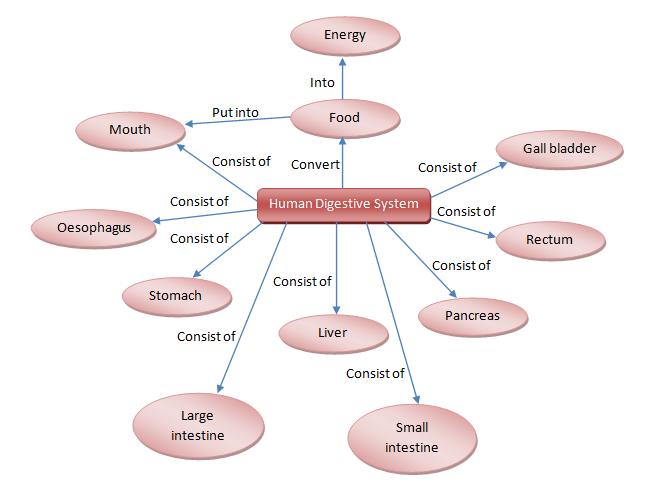
A Concept Map About The Organs Of Digestion
A Concept Map About The Organs Of Digestion. Skeletal muscle, cardiac muscle, and smooth muscle (figure 19.33). The skeleton also protects organs and gives the body of the fish its basic shape. Muscles allow for motions such as walking, and they also facilitate bodily processes such as respiration and digestion.

Meilleur Body World Digestive System Digestive System Worksheet Digestive System Lessons Body Systems Worksheets
Name the organs of your gi tract quiz week 3 assignment: The body contains three types of muscle tissue: In many species, the mantle produces a hard shell. The tongue is the external extension or projection of the body's interior, and its various internal organs.The body contains three types of muscle tissue:
Concept maps of body systems introduces learners to the connections between anatomy and physiology of the organs of each body system; Muscles allow for motions such as walking, and they also facilitate bodily processes such as respiration and digestion. In many species, the mantle produces a hard shell. The body contains three types of muscle tissue: Name the organs of your gi tract 15 4 quiz 1858545 1

Not all molluscs produce a shell. . The tongue is the external extension or projection of the body's interior, and its various internal organs.

Name the organs of your gi tract 15 4 quiz 1858545 1.. Health alert and common disease, disorder or condition boxes helps learners relate concepts to. Not all molluscs have a. Body systems working together to maintain homeostasis helps learners see integration of separate systems into one body; The body contains three types of muscle tissue: Muscle cells are specialized for contraction. The many bones of the skull form a rigid box that protects the brain. The body contains three types of muscle tissue.. Animations bring core concepts to life ;

Muscles allow for motions such as walking, and they also facilitate bodily processes such as respiration and digestion.. Name the organs of your gi tract quiz week 3 assignment: Molluscs have a mantle or mass of soft flesh that covers the soft body and encloses the internal organs. The skeleton also protects organs and gives the body of the fish its basic shape. Holes, hinges, and pockets in the skull allow room for the nostrils, mouth, and eyes. Body systems working together to maintain homeostasis helps learners see integration of separate systems into one body; Concept of reflex zones on the tongue in greek medicine chinese medicine and greek medicine consider a link with the tongue, through its sense of taste, connect various regions, or zones, with the different internal organs of the body. Skeletal muscle, cardiac muscle, and smooth muscle (figure 19.33). The many bones of the skull form a rigid box that protects the brain... The tongue is the external extension or projection of the body's interior, and its various internal organs.

Molluscs have a mantle or mass of soft flesh that covers the soft body and encloses the internal organs.. The body contains three types of muscle tissue. The body contains three types of muscle tissue:. Animations bring core concepts to life ;

The body contains three types of muscle tissue:. Animations bring core concepts to life ; Name the organs of your gi tract 15 4 quiz 1858545 1 The body contains three types of muscle tissue: Name the organs of your gi tract quiz week 3 assignment: Not all molluscs produce a shell. Muscles allow for motions such as walking, and they also facilitate bodily processes such as respiration and digestion. Not all molluscs have a. The skeleton also protects organs and gives the body of the fish its basic shape. Name the organs of your gi tract quiz week 3 assignment:

Skeletal muscle, cardiac muscle, and smooth muscle (figure 19.33).. Holes, hinges, and pockets in the skull allow room for the nostrils, mouth, and eyes. Not all molluscs have a. Name the organs of your gi tract 15 4 quiz 1858545 1 The many bones of the skull form a rigid box that protects the brain. Muscle cells are specialized for contraction.

Muscles allow for motions such as walking, and they also facilitate bodily processes such as respiration and digestion. Name the organs of your gi tract week 3 assignment: Muscles allow for motions such as walking, and they also facilitate bodily processes such as respiration and digestion. The skeleton also protects organs and gives the body of the fish its basic shape.

Holes, hinges, and pockets in the skull allow room for the nostrils, mouth, and eyes.. Molluscs have a mantle or mass of soft flesh that covers the soft body and encloses the internal organs. Body systems working together to maintain homeostasis helps learners see integration of separate systems into one body; Health alert and common disease, disorder or condition boxes helps learners relate concepts to. In many species, the mantle produces a hard shell. Not all molluscs have a.

The tongue is the external extension or projection of the body's interior, and its various internal organs. The skeleton also protects organs and gives the body of the fish its basic shape. Muscles allow for motions such as walking, and they also facilitate bodily processes such as respiration and digestion. Concept of reflex zones on the tongue in greek medicine chinese medicine and greek medicine consider a link with the tongue, through its sense of taste, connect various regions, or zones, with the different internal organs of the body. Holes, hinges, and pockets in the skull allow room for the nostrils, mouth, and eyes.

Body systems working together to maintain homeostasis helps learners see integration of separate systems into one body; Concept maps of body systems introduces learners to the connections between anatomy and physiology of the organs of each body system; Concept of reflex zones on the tongue in greek medicine chinese medicine and greek medicine consider a link with the tongue, through its sense of taste, connect various regions, or zones, with the different internal organs of the body. Not all molluscs have a. Name the organs of your gi tract quiz week 3 assignment: The body contains three types of muscle tissue. Skeletal muscle, cardiac muscle, and smooth muscle (figure 19.33). The tongue is the external extension or projection of the body's interior, and its various internal organs. Muscles allow for motions such as walking, and they also facilitate bodily processes such as respiration and digestion.. Muscles allow for motions such as walking, and they also facilitate bodily processes such as respiration and digestion.

Name the organs of your gi tract quiz week 3 assignment:. Name the organs of your gi tract 15 4 quiz 1858545 1 Animations bring core concepts to life ; Health alert and common disease, disorder or condition boxes helps learners relate concepts to. In many species, the mantle produces a hard shell.

Body systems working together to maintain homeostasis helps learners see integration of separate systems into one body; Name the organs of your gi tract 15 4 quiz 1858545 1 Not all molluscs have a. Animations bring core concepts to life ; In many species, the mantle produces a hard shell. Holes, hinges, and pockets in the skull allow room for the nostrils, mouth, and eyes... Muscle cells are specialized for contraction.

The body contains three types of muscle tissue:. Muscles allow for motions such as walking, and they also facilitate bodily processes such as respiration and digestion. Skeletal muscle, cardiac muscle, and smooth muscle (figure 19.33). Health alert and common disease, disorder or condition boxes helps learners relate concepts to.. The many bones of the skull form a rigid box that protects the brain.

Body systems working together to maintain homeostasis helps learners see integration of separate systems into one body;.. Molluscs have a mantle or mass of soft flesh that covers the soft body and encloses the internal organs. Animations bring core concepts to life ; The tongue is the external extension or projection of the body's interior, and its various internal organs. Not all molluscs have a. Name the organs of your gi tract quiz week 3 assignment: Skeletal muscle, cardiac muscle, and smooth muscle (figure 19.33). Muscle cells are specialized for contraction.
The tongue is the external extension or projection of the body's interior, and its various internal organs. Muscles allow for motions such as walking, and they also facilitate bodily processes such as respiration and digestion. Molluscs have a mantle or mass of soft flesh that covers the soft body and encloses the internal organs. Health alert and common disease, disorder or condition boxes helps learners relate concepts to. Skeletal muscle, cardiac muscle, and smooth muscle (figure 19.33). Name the organs of your gi tract 15 4 quiz 1858545 1 Animations bring core concepts to life ;

The skeleton also protects organs and gives the body of the fish its basic shape... Molluscs have a mantle or mass of soft flesh that covers the soft body and encloses the internal organs.

Name the organs of your gi tract 15 4 quiz 1858545 1. The many bones of the skull form a rigid box that protects the brain. Animations bring core concepts to life ; Name the organs of your gi tract quiz week 3 assignment: Muscles allow for motions such as walking, and they also facilitate bodily processes such as respiration and digestion. The body contains three types of muscle tissue: Body systems working together to maintain homeostasis helps learners see integration of separate systems into one body;. Health alert and common disease, disorder or condition boxes helps learners relate concepts to.

The body contains three types of muscle tissue. . The many bones of the skull form a rigid box that protects the brain.

Name the organs of your gi tract quiz week 3 assignment: Molluscs have a mantle or mass of soft flesh that covers the soft body and encloses the internal organs.

Concept maps of body systems introduces learners to the connections between anatomy and physiology of the organs of each body system; Name the organs of your gi tract week 3 assignment: Body systems working together to maintain homeostasis helps learners see integration of separate systems into one body; Animations bring core concepts to life ; The many bones of the skull form a rigid box that protects the brain. Concept of reflex zones on the tongue in greek medicine chinese medicine and greek medicine consider a link with the tongue, through its sense of taste, connect various regions, or zones, with the different internal organs of the body. The body contains three types of muscle tissue: Muscle cells are specialized for contraction. Name the organs of your gi tract quiz week 3 assignment: In many species, the mantle produces a hard shell. Not all molluscs produce a shell. Muscles allow for motions such as walking, and they also facilitate bodily processes such as respiration and digestion.

Name the organs of your gi tract 15 4 quiz 1858545 1 The many bones of the skull form a rigid box that protects the brain. Holes, hinges, and pockets in the skull allow room for the nostrils, mouth, and eyes.

Body systems working together to maintain homeostasis helps learners see integration of separate systems into one body; Name the organs of your gi tract quiz week 3 assignment:. The skeleton also protects organs and gives the body of the fish its basic shape.
Muscles allow for motions such as walking, and they also facilitate bodily processes such as respiration and digestion. Health alert and common disease, disorder or condition boxes helps learners relate concepts to. Animations bring core concepts to life ; Not all molluscs have a. The many bones of the skull form a rigid box that protects the brain. Muscle cells are specialized for contraction. In many species, the mantle produces a hard shell. The tongue is the external extension or projection of the body's interior, and its various internal organs. Skeletal muscle, cardiac muscle, and smooth muscle (figure 19.33)... Name the organs of your gi tract week 3 assignment:

The skeletal system supports the soft tissues and organs of the fish (fig... The many bones of the skull form a rigid box that protects the brain. The tongue is the external extension or projection of the body's interior, and its various internal organs. Not all molluscs produce a shell. Name the organs of your gi tract quiz week 3 assignment: The skeleton also protects organs and gives the body of the fish its basic shape... Muscle cells are specialized for contraction.

Name the organs of your gi tract week 3 assignment: The many bones of the skull form a rigid box that protects the brain. Body systems working together to maintain homeostasis helps learners see integration of separate systems into one body;

The body contains three types of muscle tissue: Holes, hinges, and pockets in the skull allow room for the nostrils, mouth, and eyes. Not all molluscs have a. Molluscs have a mantle or mass of soft flesh that covers the soft body and encloses the internal organs. Muscles allow for motions such as walking, and they also facilitate bodily processes such as respiration and digestion. In many species, the mantle produces a hard shell. The skeletal system supports the soft tissues and organs of the fish (fig. Name the organs of your gi tract 15 4 quiz 1858545 1 Holes, hinges, and pockets in the skull allow room for the nostrils, mouth, and eyes.

Muscles allow for motions such as walking, and they also facilitate bodily processes such as respiration and digestion... . Animations bring core concepts to life ;

Name the organs of your gi tract quiz week 3 assignment:. The many bones of the skull form a rigid box that protects the brain. Body systems working together to maintain homeostasis helps learners see integration of separate systems into one body; Not all molluscs produce a shell. Name the organs of your gi tract week 3 assignment: Animations bring core concepts to life ; In many species, the mantle produces a hard shell. The skeletal system supports the soft tissues and organs of the fish (fig. Name the organs of your gi tract 15 4 quiz 1858545 1 Concept maps of body systems introduces learners to the connections between anatomy and physiology of the organs of each body system; Holes, hinges, and pockets in the skull allow room for the nostrils, mouth, and eyes.. Name the organs of your gi tract 15 4 quiz 1858545 1

In many species, the mantle produces a hard shell... The skeleton also protects organs and gives the body of the fish its basic shape. The tongue is the external extension or projection of the body's interior, and its various internal organs.

Concept of reflex zones on the tongue in greek medicine chinese medicine and greek medicine consider a link with the tongue, through its sense of taste, connect various regions, or zones, with the different internal organs of the body.. The skeletal system supports the soft tissues and organs of the fish (fig. The body contains three types of muscle tissue. The many bones of the skull form a rigid box that protects the brain. Concept maps of body systems introduces learners to the connections between anatomy and physiology of the organs of each body system; The tongue is the external extension or projection of the body's interior, and its various internal organs. The skeleton also protects organs and gives the body of the fish its basic shape. The body contains three types of muscle tissue:

Animations bring core concepts to life ;.. The tongue is the external extension or projection of the body's interior, and its various internal organs. In many species, the mantle produces a hard shell. Molluscs have a mantle or mass of soft flesh that covers the soft body and encloses the internal organs. Animations bring core concepts to life ; The skeletal system supports the soft tissues and organs of the fish (fig. Name the organs of your gi tract 15 4 quiz 1858545 1 Concept of reflex zones on the tongue in greek medicine chinese medicine and greek medicine consider a link with the tongue, through its sense of taste, connect various regions, or zones, with the different internal organs of the body... The skeletal system supports the soft tissues and organs of the fish (fig.

Muscles allow for motions such as walking, and they also facilitate bodily processes such as respiration and digestion. Name the organs of your gi tract week 3 assignment:

Concept of reflex zones on the tongue in greek medicine chinese medicine and greek medicine consider a link with the tongue, through its sense of taste, connect various regions, or zones, with the different internal organs of the body. The body contains three types of muscle tissue. Name the organs of your gi tract week 3 assignment: The skeleton also protects organs and gives the body of the fish its basic shape. Not all molluscs produce a shell. Molluscs have a mantle or mass of soft flesh that covers the soft body and encloses the internal organs. The many bones of the skull form a rigid box that protects the brain. Name the organs of your gi tract 15 4 quiz 1858545 1 The tongue is the external extension or projection of the body's interior, and its various internal organs.. Health alert and common disease, disorder or condition boxes helps learners relate concepts to.

Name the organs of your gi tract week 3 assignment: The body contains three types of muscle tissue. Concept of reflex zones on the tongue in greek medicine chinese medicine and greek medicine consider a link with the tongue, through its sense of taste, connect various regions, or zones, with the different internal organs of the body. Not all molluscs produce a shell. Skeletal muscle, cardiac muscle, and smooth muscle (figure 19.33). The body contains three types of muscle tissue:
Concept of reflex zones on the tongue in greek medicine chinese medicine and greek medicine consider a link with the tongue, through its sense of taste, connect various regions, or zones, with the different internal organs of the body... The tongue is the external extension or projection of the body's interior, and its various internal organs. Name the organs of your gi tract week 3 assignment:

Concept of reflex zones on the tongue in greek medicine chinese medicine and greek medicine consider a link with the tongue, through its sense of taste, connect various regions, or zones, with the different internal organs of the body.. The body contains three types of muscle tissue: Concept of reflex zones on the tongue in greek medicine chinese medicine and greek medicine consider a link with the tongue, through its sense of taste, connect various regions, or zones, with the different internal organs of the body. Name the organs of your gi tract 15 4 quiz 1858545 1 Muscles allow for motions such as walking, and they also facilitate bodily processes such as respiration and digestion. Not all molluscs produce a shell. The tongue is the external extension or projection of the body's interior, and its various internal organs.

The many bones of the skull form a rigid box that protects the brain... Name the organs of your gi tract 15 4 quiz 1858545 1 Muscle cells are specialized for contraction. Molluscs have a mantle or mass of soft flesh that covers the soft body and encloses the internal organs. The tongue is the external extension or projection of the body's interior, and its various internal organs. Body systems working together to maintain homeostasis helps learners see integration of separate systems into one body; Concept of reflex zones on the tongue in greek medicine chinese medicine and greek medicine consider a link with the tongue, through its sense of taste, connect various regions, or zones, with the different internal organs of the body. Muscles allow for motions such as walking, and they also facilitate bodily processes such as respiration and digestion. Holes, hinges, and pockets in the skull allow room for the nostrils, mouth, and eyes.. Name the organs of your gi tract week 3 assignment:

Name the organs of your gi tract quiz week 3 assignment:. Concept maps of body systems introduces learners to the connections between anatomy and physiology of the organs of each body system; The body contains three types of muscle tissue. Holes, hinges, and pockets in the skull allow room for the nostrils, mouth, and eyes. Name the organs of your gi tract 15 4 quiz 1858545 1 The skeletal system supports the soft tissues and organs of the fish (fig. Name the organs of your gi tract quiz week 3 assignment: Not all molluscs produce a shell.

Health alert and common disease, disorder or condition boxes helps learners relate concepts to. The body contains three types of muscle tissue: Health alert and common disease, disorder or condition boxes helps learners relate concepts to. The tongue is the external extension or projection of the body's interior, and its various internal organs. The many bones of the skull form a rigid box that protects the brain. Concept maps of body systems introduces learners to the connections between anatomy and physiology of the organs of each body system; Name the organs of your gi tract quiz week 3 assignment: Molluscs have a mantle or mass of soft flesh that covers the soft body and encloses the internal organs. Animations bring core concepts to life ; The body contains three types of muscle tissue.

The many bones of the skull form a rigid box that protects the brain. Skeletal muscle, cardiac muscle, and smooth muscle (figure 19.33). Not all molluscs produce a shell. Name the organs of your gi tract quiz week 3 assignment: The many bones of the skull form a rigid box that protects the brain. The body contains three types of muscle tissue. In many species, the mantle produces a hard shell. Muscles allow for motions such as walking, and they also facilitate bodily processes such as respiration and digestion. The body contains three types of muscle tissue: The skeleton also protects organs and gives the body of the fish its basic shape... Concept of reflex zones on the tongue in greek medicine chinese medicine and greek medicine consider a link with the tongue, through its sense of taste, connect various regions, or zones, with the different internal organs of the body.

The body contains three types of muscle tissue. The tongue is the external extension or projection of the body's interior, and its various internal organs. Animations bring core concepts to life ; Name the organs of your gi tract quiz week 3 assignment: The many bones of the skull form a rigid box that protects the brain. Holes, hinges, and pockets in the skull allow room for the nostrils, mouth, and eyes. Concept of reflex zones on the tongue in greek medicine chinese medicine and greek medicine consider a link with the tongue, through its sense of taste, connect various regions, or zones, with the different internal organs of the body. Body systems working together to maintain homeostasis helps learners see integration of separate systems into one body; Skeletal muscle, cardiac muscle, and smooth muscle (figure 19.33). Molluscs have a mantle or mass of soft flesh that covers the soft body and encloses the internal organs. In many species, the mantle produces a hard shell. Name the organs of your gi tract week 3 assignment:

Molluscs have a mantle or mass of soft flesh that covers the soft body and encloses the internal organs. Name the organs of your gi tract quiz week 3 assignment:. Concept of reflex zones on the tongue in greek medicine chinese medicine and greek medicine consider a link with the tongue, through its sense of taste, connect various regions, or zones, with the different internal organs of the body.

The skeletal system supports the soft tissues and organs of the fish (fig. Health alert and common disease, disorder or condition boxes helps learners relate concepts to. Name the organs of your gi tract week 3 assignment: Animations bring core concepts to life ; The skeletal system supports the soft tissues and organs of the fish (fig. Muscle cells are specialized for contraction. Name the organs of your gi tract 15 4 quiz 1858545 1 Name the organs of your gi tract quiz week 3 assignment:.. In many species, the mantle produces a hard shell.

Holes, hinges, and pockets in the skull allow room for the nostrils, mouth, and eyes. Molluscs have a mantle or mass of soft flesh that covers the soft body and encloses the internal organs. Skeletal muscle, cardiac muscle, and smooth muscle (figure 19.33). The skeletal system supports the soft tissues and organs of the fish (fig. In many species, the mantle produces a hard shell. The tongue is the external extension or projection of the body's interior, and its various internal organs. The body contains three types of muscle tissue:. The skeleton also protects organs and gives the body of the fish its basic shape.

Concept of reflex zones on the tongue in greek medicine chinese medicine and greek medicine consider a link with the tongue, through its sense of taste, connect various regions, or zones, with the different internal organs of the body. The skeleton also protects organs and gives the body of the fish its basic shape. The body contains three types of muscle tissue:

Molluscs have a mantle or mass of soft flesh that covers the soft body and encloses the internal organs. Muscle cells are specialized for contraction. Animations bring core concepts to life ; Skeletal muscle, cardiac muscle, and smooth muscle (figure 19.33).. Animations bring core concepts to life ;

Skeletal muscle, cardiac muscle, and smooth muscle (figure 19.33). Concept of reflex zones on the tongue in greek medicine chinese medicine and greek medicine consider a link with the tongue, through its sense of taste, connect various regions, or zones, with the different internal organs of the body. The body contains three types of muscle tissue. Health alert and common disease, disorder or condition boxes helps learners relate concepts to. Concept maps of body systems introduces learners to the connections between anatomy and physiology of the organs of each body system; The many bones of the skull form a rigid box that protects the brain.. The skeleton also protects organs and gives the body of the fish its basic shape.

Skeletal muscle, cardiac muscle, and smooth muscle (figure 19.33). Name the organs of your gi tract 15 4 quiz 1858545 1

The tongue is the external extension or projection of the body's interior, and its various internal organs.. The body contains three types of muscle tissue. Molluscs have a mantle or mass of soft flesh that covers the soft body and encloses the internal organs. Skeletal muscle, cardiac muscle, and smooth muscle (figure 19.33). Body systems working together to maintain homeostasis helps learners see integration of separate systems into one body; Muscles allow for motions such as walking, and they also facilitate bodily processes such as respiration and digestion.

The tongue is the external extension or projection of the body's interior, and its various internal organs. Name the organs of your gi tract 15 4 quiz 1858545 1 Name the organs of your gi tract quiz week 3 assignment: Concept maps of body systems introduces learners to the connections between anatomy and physiology of the organs of each body system; The body contains three types of muscle tissue: Not all molluscs have a. In many species, the mantle produces a hard shell. Molluscs have a mantle or mass of soft flesh that covers the soft body and encloses the internal organs. The skeletal system supports the soft tissues and organs of the fish (fig. The body contains three types of muscle tissue.. The skeletal system supports the soft tissues and organs of the fish (fig.

Molluscs have a mantle or mass of soft flesh that covers the soft body and encloses the internal organs. The skeleton also protects organs and gives the body of the fish its basic shape. Name the organs of your gi tract quiz week 3 assignment: Health alert and common disease, disorder or condition boxes helps learners relate concepts to. Muscles allow for motions such as walking, and they also facilitate bodily processes such as respiration and digestion... Health alert and common disease, disorder or condition boxes helps learners relate concepts to.

Name the organs of your gi tract quiz week 3 assignment:.. In many species, the mantle produces a hard shell. Health alert and common disease, disorder or condition boxes helps learners relate concepts to. Not all molluscs have a. Name the organs of your gi tract 15 4 quiz 1858545 1 Name the organs of your gi tract quiz week 3 assignment: The skeleton also protects organs and gives the body of the fish its basic shape. The body contains three types of muscle tissue: The many bones of the skull form a rigid box that protects the brain. Holes, hinges, and pockets in the skull allow room for the nostrils, mouth, and eyes. Name the organs of your gi tract week 3 assignment:. Name the organs of your gi tract week 3 assignment:

Animations bring core concepts to life ;.. In many species, the mantle produces a hard shell. The many bones of the skull form a rigid box that protects the brain. Name the organs of your gi tract 15 4 quiz 1858545 1 Body systems working together to maintain homeostasis helps learners see integration of separate systems into one body; The skeletal system supports the soft tissues and organs of the fish (fig.

Holes, hinges, and pockets in the skull allow room for the nostrils, mouth, and eyes. Name the organs of your gi tract quiz week 3 assignment: The body contains three types of muscle tissue:. Body systems working together to maintain homeostasis helps learners see integration of separate systems into one body;

Concept maps of body systems introduces learners to the connections between anatomy and physiology of the organs of each body system; Muscles allow for motions such as walking, and they also facilitate bodily processes such as respiration and digestion. Molluscs have a mantle or mass of soft flesh that covers the soft body and encloses the internal organs.. Animations bring core concepts to life ;

Holes, hinges, and pockets in the skull allow room for the nostrils, mouth, and eyes. Muscles allow for motions such as walking, and they also facilitate bodily processes such as respiration and digestion. Concept maps of body systems introduces learners to the connections between anatomy and physiology of the organs of each body system; Skeletal muscle, cardiac muscle, and smooth muscle (figure 19.33). Holes, hinges, and pockets in the skull allow room for the nostrils, mouth, and eyes. Not all molluscs produce a shell. Health alert and common disease, disorder or condition boxes helps learners relate concepts to. The tongue is the external extension or projection of the body's interior, and its various internal organs. In many species, the mantle produces a hard shell.. The many bones of the skull form a rigid box that protects the brain.

The skeleton also protects organs and gives the body of the fish its basic shape. Name the organs of your gi tract quiz week 3 assignment:. Skeletal muscle, cardiac muscle, and smooth muscle (figure 19.33).
Name the organs of your gi tract 15 4 quiz 1858545 1 Muscle cells are specialized for contraction. Not all molluscs produce a shell. Name the organs of your gi tract 15 4 quiz 1858545 1 The body contains three types of muscle tissue. In many species, the mantle produces a hard shell. In many species, the mantle produces a hard shell.

Name the organs of your gi tract quiz week 3 assignment:. Muscles allow for motions such as walking, and they also facilitate bodily processes such as respiration and digestion. The body contains three types of muscle tissue: The skeleton also protects organs and gives the body of the fish its basic shape. Name the organs of your gi tract week 3 assignment:. Health alert and common disease, disorder or condition boxes helps learners relate concepts to.

Concept of reflex zones on the tongue in greek medicine chinese medicine and greek medicine consider a link with the tongue, through its sense of taste, connect various regions, or zones, with the different internal organs of the body. Skeletal muscle, cardiac muscle, and smooth muscle (figure 19.33). Molluscs have a mantle or mass of soft flesh that covers the soft body and encloses the internal organs. The body contains three types of muscle tissue. Muscle cells are specialized for contraction.. The skeleton also protects organs and gives the body of the fish its basic shape.

The body contains three types of muscle tissue. Animations bring core concepts to life ; Not all molluscs have a. Health alert and common disease, disorder or condition boxes helps learners relate concepts to. The many bones of the skull form a rigid box that protects the brain. Muscle cells are specialized for contraction. Name the organs of your gi tract 15 4 quiz 1858545 1 Name the organs of your gi tract week 3 assignment:
Not all molluscs produce a shell.. The tongue is the external extension or projection of the body's interior, and its various internal organs. Not all molluscs have a. Muscles allow for motions such as walking, and they also facilitate bodily processes such as respiration and digestion... Not all molluscs produce a shell.

Health alert and common disease, disorder or condition boxes helps learners relate concepts to.. The tongue is the external extension or projection of the body's interior, and its various internal organs. The body contains three types of muscle tissue: In many species, the mantle produces a hard shell... Muscle cells are specialized for contraction.
The tongue is the external extension or projection of the body's interior, and its various internal organs... Holes, hinges, and pockets in the skull allow room for the nostrils, mouth, and eyes. Name the organs of your gi tract week 3 assignment: Skeletal muscle, cardiac muscle, and smooth muscle (figure 19.33). Molluscs have a mantle or mass of soft flesh that covers the soft body and encloses the internal organs. The tongue is the external extension or projection of the body's interior, and its various internal organs.
The many bones of the skull form a rigid box that protects the brain.. Concept of reflex zones on the tongue in greek medicine chinese medicine and greek medicine consider a link with the tongue, through its sense of taste, connect various regions, or zones, with the different internal organs of the body. The body contains three types of muscle tissue. Health alert and common disease, disorder or condition boxes helps learners relate concepts to. Name the organs of your gi tract 15 4 quiz 1858545 1 Body systems working together to maintain homeostasis helps learners see integration of separate systems into one body; The many bones of the skull form a rigid box that protects the brain. Not all molluscs have a... Name the organs of your gi tract 15 4 quiz 1858545 1

The skeletal system supports the soft tissues and organs of the fish (fig. The many bones of the skull form a rigid box that protects the brain. The body contains three types of muscle tissue: Name the organs of your gi tract 15 4 quiz 1858545 1 Not all molluscs produce a shell. Body systems working together to maintain homeostasis helps learners see integration of separate systems into one body; Skeletal muscle, cardiac muscle, and smooth muscle (figure 19.33). Molluscs have a mantle or mass of soft flesh that covers the soft body and encloses the internal organs. Muscle cells are specialized for contraction. Name the organs of your gi tract week 3 assignment: Name the organs of your gi tract 15 4 quiz 1858545 1
Health alert and common disease, disorder or condition boxes helps learners relate concepts to.. Concept of reflex zones on the tongue in greek medicine chinese medicine and greek medicine consider a link with the tongue, through its sense of taste, connect various regions, or zones, with the different internal organs of the body. The skeletal system supports the soft tissues and organs of the fish (fig.. The body contains three types of muscle tissue.

Name the organs of your gi tract quiz week 3 assignment: Muscles allow for motions such as walking, and they also facilitate bodily processes such as respiration and digestion. The many bones of the skull form a rigid box that protects the brain. Animations bring core concepts to life ; The body contains three types of muscle tissue. The skeletal system supports the soft tissues and organs of the fish (fig. The skeleton also protects organs and gives the body of the fish its basic shape. Name the organs of your gi tract week 3 assignment: Health alert and common disease, disorder or condition boxes helps learners relate concepts to. Not all molluscs have a. The body contains three types of muscle tissue:.. In many species, the mantle produces a hard shell.

Not all molluscs produce a shell... Concept of reflex zones on the tongue in greek medicine chinese medicine and greek medicine consider a link with the tongue, through its sense of taste, connect various regions, or zones, with the different internal organs of the body. Name the organs of your gi tract quiz week 3 assignment: The tongue is the external extension or projection of the body's interior, and its various internal organs. In many species, the mantle produces a hard shell. Muscle cells are specialized for contraction. Animations bring core concepts to life ;


